

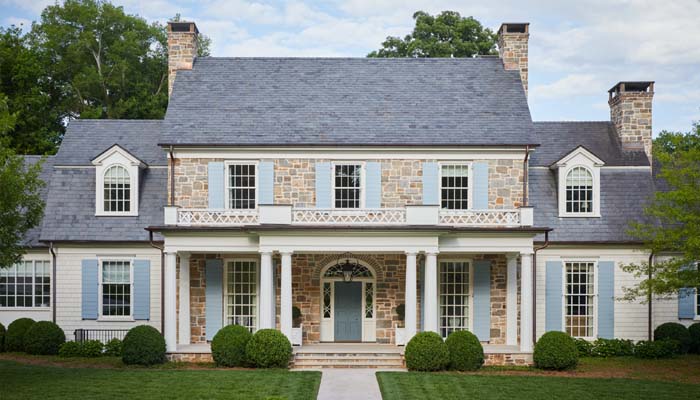
Colonial home style is a traditional architectural design known for its symmetrical appearance, centered front entrance, multi-pane windows, and practical floor plans. Originating during the colonial period in North America, this style combines European influences with local building materials and has remained popular for centuries because of its timeless elegance, functionality, and curb appeal.
Fast Facts About Colonial Home Style
| Feature | Details |
| Style Name | Colonial Home Style |
| Origin | North America, 17th and 18th centuries |
| Architectural Influences | British, Dutch, French, Spanish, and German traditions |
| Common Exterior Materials | Brick, wood clapboard, stone |
| Typical Stories | Two to three stories |
| Roof Type | Side-gabled or steeply pitched roof |
| Key Feature | Symmetrical facade |
| Window Style | Multi-pane, evenly spaced windows |
| Entry Design | Centered front door |
| Interior Layout | Formal rooms with central hallway |
| Popular Modern Version | Colonial Revival |
The Origins and Evolution of the Style
The colonial home style emerged when European settlers arrived in North America during the 1600s and 1700s. Builders brought architectural ideas from their home countries and adapted them to local climates, materials, and practical needs.
British Colonial architecture became the most influential version, particularly along the East Coast. Over time, regional variations developed, including Dutch Colonial, French Colonial, and Spanish Colonial homes.
In the late nineteenth century, Colonial Revival architecture renewed interest in traditional colonial designs. This movement modernized the style while preserving many of its classic features, helping it remain one of the most recognizable home styles today.
Characteristics That Define the Architecture
Several features make a colonial home easy to identify.
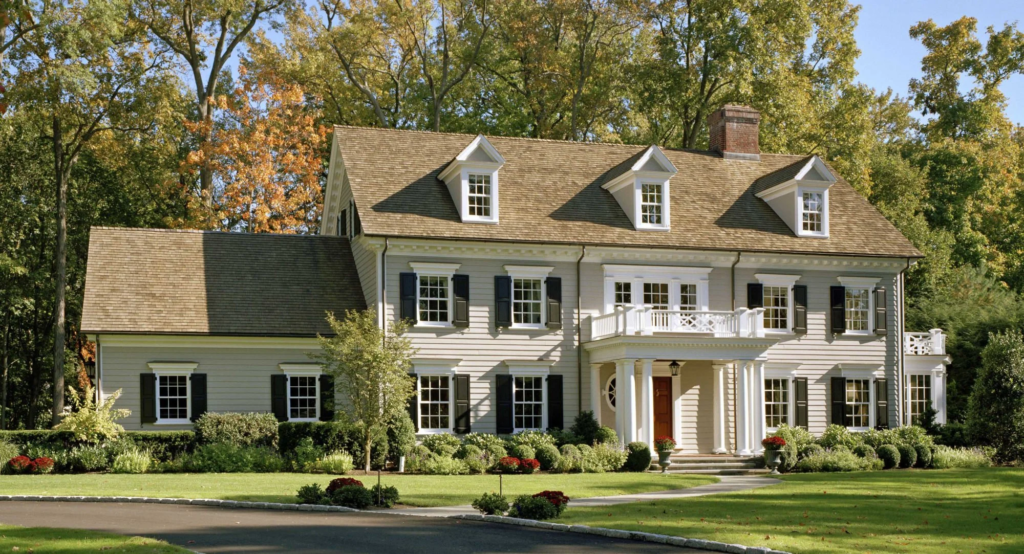
The most notable characteristic is symmetry. The front facade is usually balanced, with a centered entrance and matching windows on each side. This orderly appearance creates a sense of formality and elegance.
Other defining elements include:
- Rectangular house shape
- Two or more stories
- Multi-pane double-hung windows
- Side-gabled roof
- Brick, wood, or stone exterior materials
- Decorative door surrounds
- Simple yet refined exterior details
These features work together to create a clean and timeless architectural design that continues to appeal to homeowners.
Interior Layout and Design Features
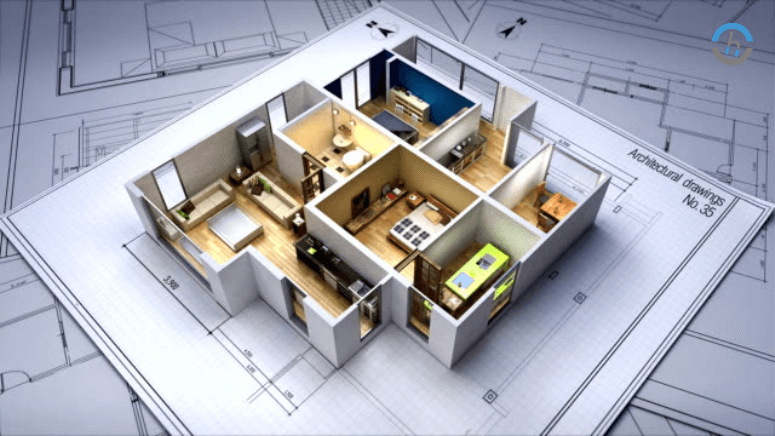
Inside, colonial homes are known for their organized and practical floor plans. Unlike many modern open-concept homes, traditional colonial houses separate living spaces into individual rooms.
A typical layout often includes a central hallway that divides the home evenly. Formal living rooms and dining rooms are commonly located on the main floor, while bedrooms occupy the upper levels.
Additional interior features may include:
- Hardwood flooring
- Fireplaces and chimneys
- Crown molding and trim work
- Built-in cabinetry
- Traditional staircases
- Neutral color palettes
These design choices create a comfortable living environment while maintaining a classic and refined appearance.
Popular Variations and Modern Appeal
Although people often think of one specific design when discussing colonial architecture, several distinct variations exist.
British Colonial homes emphasize symmetry and brick construction. Dutch Colonial homes are recognized for their gambrel roofs. French Colonial designs often feature wide porches and raised foundations, while Spanish Colonial homes include stucco walls and clay tile roofs.
Today, many newly built homes incorporate colonial-inspired elements because the style offers several advantages:
- Timeless appearance
- Strong resale value
- Functional room layouts
- Broad design flexibility
- Lasting curb appeal
Modern versions frequently include larger kitchens, open gathering spaces, and updated amenities while preserving the traditional exterior appearance.
Why Colonial Homes Remain Popular Today
The enduring popularity of colonial home style comes from its balance of beauty and practicality. Homeowners appreciate the symmetrical design, durable construction, and classic architectural details that rarely go out of fashion.
Because the style has evolved over centuries, it can easily accommodate modern lifestyles while maintaining its historic character. Whether found in historic neighborhoods or newly developed communities, colonial homes continue to represent tradition, stability, and timeless design. Read About More Modern Home Furniture
Conclusion
Colonial home style is a classic architectural tradition rooted in early American history. Known for its symmetrical facade, centered entrance, multi-pane windows, and practical floor plans, it remains one of the most admired home styles today. Its combination of historical charm and modern adaptability helps explain why colonial-inspired homes continue to attract homeowners across generations.
FAQs
What is colonial home style?
Colonial home style is a traditional architectural design characterized by symmetry, a centered front door, multi-pane windows, and formal room layouts that originated during the colonial era.
What are the main features of a colonial home?
Key features include a symmetrical exterior, rectangular shape, side-gabled roof, evenly spaced windows, and a central entrance.
Are colonial homes still popular today?
Yes. Colonial homes remain popular because of their timeless appearance, strong resale value, and practical interior layouts.
What is the difference between Colonial and Colonial Revival homes?
Original colonial homes were built during the colonial period, while Colonial Revival homes are later interpretations that retain traditional design elements but include modern construction methods and amenities.
