

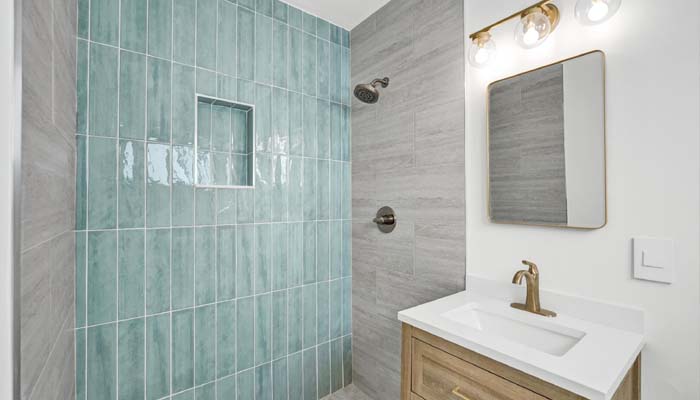
A small bathroom remodel starts with a clear plan that balances space, function, style, and budget. The most successful projects focus on improving layout, choosing space-saving fixtures, adding smart storage, and selecting finishes that make the room feel larger. By planning each step carefully, you can create a bathroom that looks great and works better without wasting money or space.
Understand Your Space and Goals
Before choosing tiles or fixtures, assess your current bathroom. Measure the room accurately and identify what works and what does not.
Ask yourself:
- Do you need more storage?
- Is the layout inefficient?
- Do you want a shower instead of a tub?
- Are lighting and ventilation adequate?
Having clear goals helps guide every decision throughout the remodel.
Fast Info Table: Small Bathroom Remodel Planning Guide
| Detail | Information |
| Typical Bathroom Size | 15–40 square feet |
| Main Goal | Improve function and maximize space |
| Best Layout Approach | Keep plumbing locations when possible |
| Space-Saving Features | Floating vanities, corner sinks, wall shelves |
| Recommended Colors | Light neutrals, soft gray, white, beige |
| Storage Solutions | Recessed niches, floating shelves, cabinets |
| Most Costly Changes | Moving plumbing or walls |
| Value-Adding Upgrades | Better lighting, modern fixtures, efficient storage |
| Planning Time | 1–4 weeks |
| Remodel Priority | Function first, aesthetics second |
Set a Realistic Budget
Budget planning is one of the most important parts of any remodeling project. Costs vary depending on materials, labor, and the amount of structural work involved.
A cosmetic update may include painting, replacing fixtures, and updating accessories. A full renovation often includes new flooring, plumbing fixtures, cabinetry, and tile work.
To avoid surprises:
- Create a detailed budget.
- Prioritize must-have upgrades.
- Reserve 10–20% for unexpected expenses.
- Compare quotes from multiple contractors.
Staying within budget becomes much easier when expectations are realistic from the beginning.
Choose Space-Saving Fixtures and Storage
Small bathrooms benefit from fixtures designed specifically for compact spaces.
Popular options include:
- Floating vanities
- Wall-mounted sinks
- Compact toilets
- Corner sinks
- Frameless glass showers
Storage should also be planned carefully. Vertical space is often underused in smaller bathrooms.
Consider adding:
- Floating shelves
- Recessed wall niches
- Medicine cabinets
- Over-toilet shelving
- Tall storage cabinets
These solutions help keep the room organized while reducing clutter.
Select Materials and Colors Carefully
The right materials can make a small bathroom feel noticeably larger.
Light colors reflect more light and create an open appearance. White, cream, light gray, and soft blue remain popular choices because they brighten the room.
For flooring and walls, large-format tiles often create fewer visual interruptions. Many designers also recommend using similar colors throughout the space to maintain visual continuity.
Additional design tips include:
- Install a large mirror.
- Use layered lighting.
- Choose reflective surfaces when appropriate.
- Limit overly busy patterns.
The goal is to create a clean and cohesive look that enhances the available space.
Create a Step-by-Step Remodel Timeline
A clear timeline helps keep the project organized and reduces delays.
A typical remodel process includes:
- Measure and plan the layout.
- Establish a budget.
- Select materials and fixtures.
- Hire contractors if needed.
- Complete demolition.
- Perform plumbing and electrical work.
- Install flooring and walls.
- Add fixtures and storage.
- Finish with lighting and accessories.
Planning each stage in advance helps ensure smoother execution and better results.
Conclusion
A successful small bathroom remodel begins with thoughtful planning. Focus on your goals, create a realistic budget, choose space-saving fixtures, and select materials that make the room feel larger. With a clear plan and smart design choices, even the smallest bathroom can become more functional, attractive, and comfortable. Read About More What Is a Drawing Room
FAQs
How much does a small bathroom remodel typically cost?
Costs vary widely depending on location, materials, and labor. Simple updates cost less than full renovations involving plumbing or structural changes.
What makes a small bathroom look bigger?
Light colors, large mirrors, good lighting, frameless shower glass, and reduced clutter can make a bathroom appear more spacious.
Should I replace a bathtub with a shower?
If space is limited and a tub is rarely used, replacing it with a walk-in shower can improve functionality and open up the room.
What is the most important part of planning a bathroom remodel?
Creating a clear layout and budget is usually the most important step because these decisions influence every other aspect of the project.
