

Why the Right Kitchen Table Matters
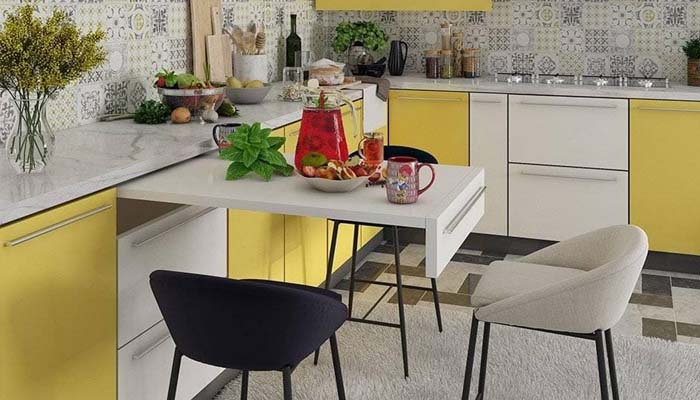
A kitchen table is often the heart of a home, serving as more than just a place for meals. It becomes a gathering spot for family conversations, homework sessions, remote work, and entertaining guests. Choosing the right table helps create a space that feels both comfortable and functional, while also complementing your home’s layout and style. A well-sized and thoughtfully selected table can improve daily routines, maximize available space, and provide lasting value, making it one of the most important furniture investments in any kitchen or dining area.
Choosing the Best Size for Your Space
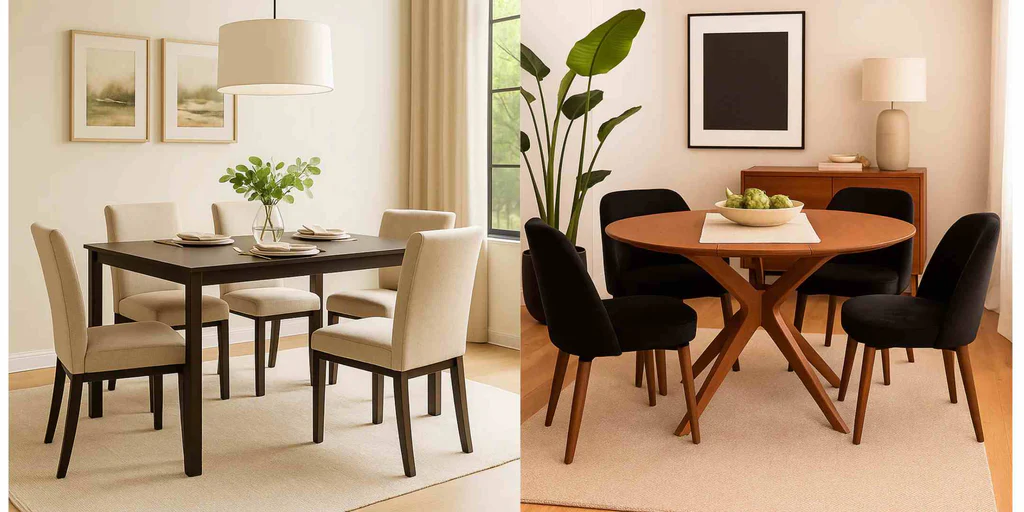
Selecting the right kitchen table size starts with understanding the dimensions of your room. A table that is too large can make the area feel crowded and restrict movement, while one that is too small may not provide enough seating for everyday use. As a general guideline, leave at least 36 inches of clearance around the table so people can comfortably pull out chairs and walk through the space. Measuring your room before shopping helps ensure the table fits naturally without overwhelming the layout.
A good idea is to think beyond your current needs and consider how you use the space throughout the year. If you regularly host family gatherings or dinner parties, an extendable kitchen table can offer extra seating when needed while saving space on a daily basis. For smaller kitchens, a round table or drop-leaf design can improve traffic flow and make the room feel more open. Choosing a size that balances comfort, functionality, and flexibility will help you get the most value from your investment.
Selecting the Ideal Shape for Everyday Use
The shape of your kitchen table plays a major role in both functionality and comfort. Rectangular tables are a popular choice for larger families and longer rooms because they provide ample seating and work well in most layouts. Round tables encourage conversation and are ideal for smaller spaces, as they create a more open and welcoming feel. Square tables can be a great fit for compact kitchens, while oval tables offer the seating capacity of rectangular designs with softer edges that improve traffic flow. Choosing the right shape depends on your room size, seating needs, and how you use the space every day.
Comparing Kitchen Table Materials and Durability
The material of a kitchen table has a significant impact on its appearance, maintenance requirements, and long-term durability. Solid wood tables are highly valued for their strength, timeless style, and ability to last for decades with proper care, making them a popular investment for many homeowners. Glass tables create a modern and airy look but may require more frequent cleaning to keep fingerprints and smudges under control. Metal and laminate surfaces are known for their durability and ease of maintenance, making them practical choices for busy households. When comparing materials, consider your lifestyle, budget, and daily usage to find a table that offers the right balance of beauty, durability, and functionality.
Matching Your Kitchen Table to Your Home Style
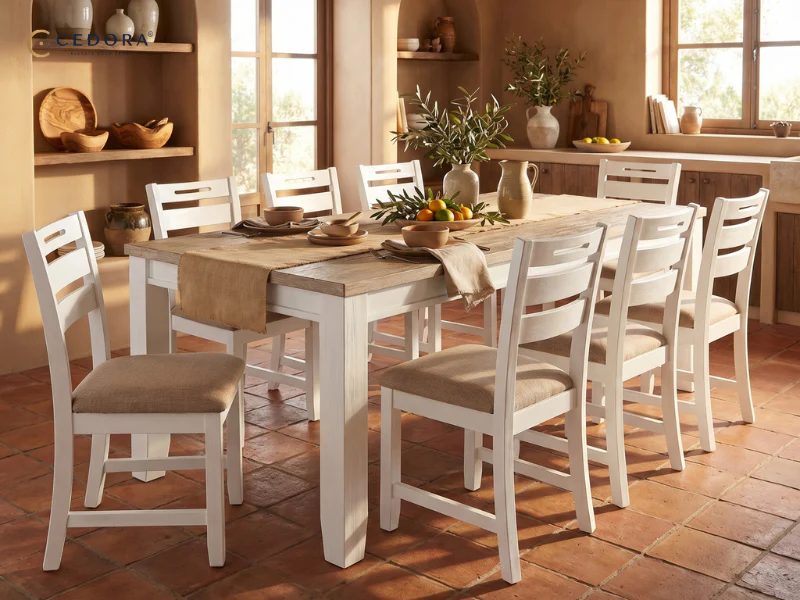
A kitchen table should complement the overall design of your home while reflecting your personal taste. For a warm and timeless look, wooden tables pair beautifully with traditional, farmhouse, and rustic interiors. Homes with a contemporary aesthetic often benefit from glass, metal, or minimalist designs that create a clean and modern feel. Pay attention to details such as color, finish, and table legs to ensure the piece blends naturally with your cabinetry, flooring, and surrounding furniture. Choosing a table that aligns with your home’s style, color palette, and atmosphere helps create a cohesive space that feels inviting and well-designed.
Conclusion
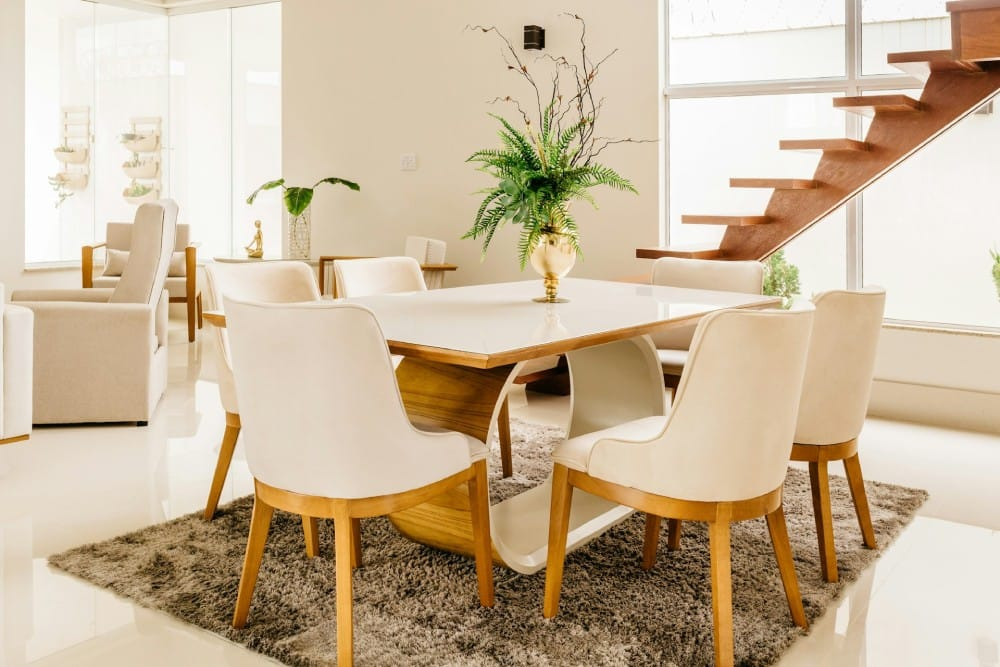
Choosing the perfect kitchen table involves balancing size, shape, material, and style to meet your household’s needs. By considering how much space you have, how the table will be used each day, and which design best complements your home, you can make a confident decision that adds both function and beauty to your living space. A thoughtfully selected table not only enhances everyday dining but also creates a comfortable gathering place where family and friends can connect for years to come. Read About Living Room Furniture
FAQs
1. What size kitchen table is best for a small kitchen?
A round table, drop-leaf table, or compact rectangular table is often the best choice for a small kitchen because it saves space while still providing comfortable seating.
2. How much space should be left around a kitchen table?
It is recommended to leave at least 36 inches of clearance around a kitchen table to allow chairs to move freely and ensure comfortable walking space.
3. Which material is the most durable for a kitchen table?
Solid wood is one of the most durable options and can last for many years with proper care, making it a popular choice for busy households.
4. Is a round or rectangular kitchen table better?
The best option depends on your space and needs. Round tables work well in smaller areas and encourage conversation, while rectangular tables typically provide more seating and fit larger rooms more efficiently.
