

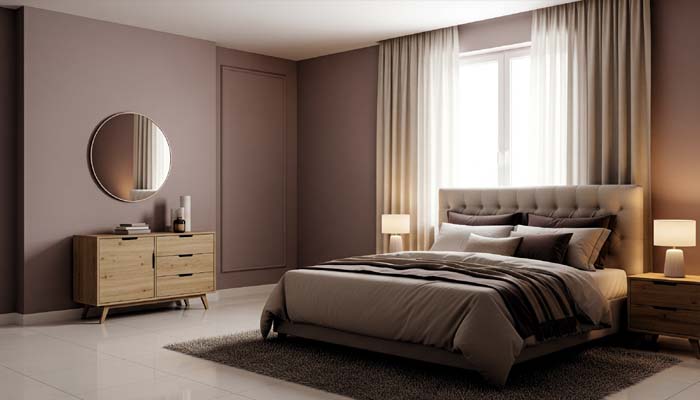
A bad room colour design usually happens when the paint color does not suit the room’s size, lighting, purpose, or existing décor. It is rarely about one “wrong” color. Instead, poor color choices can make a room feel smaller, darker, colder, or less inviting. Choosing colors that work with natural light, furniture, and the room’s function creates a balanced and comfortable space.
Quick Facts About Bad Room Colour Design
| Feature | Details |
| Meaning | A color scheme that makes a room feel uncomfortable, unbalanced, or unattractive |
| Main Causes | Poor lighting, incorrect undertones, overly bright or dark colors, ignoring room size |
| Common Mistakes | Choosing trendy colors without testing them, skipping paint samples, using one color everywhere |
| Rooms Most Affected | Bedrooms, living rooms, small spaces, home offices |
| Easy Fixes | Test paint samples, match colors with lighting, use balanced color combinations |
| Best Approach | Select colors based on the room’s purpose and available natural light |
What Makes a Room Colour Design Look Bad?
A room looks poorly designed when its colors do not work together or fail to match the environment. Even a popular paint shade can appear unattractive if it clashes with flooring, furniture, or lighting. Deep colors may overwhelm a small room, while bright shades can feel distracting in spaces meant for relaxation.
Lighting is another important factor. A color that looks warm in a showroom may appear dull or overly cool once painted on your walls. This is why experts recommend testing paint samples before making a final decision.
Which Colour Choices Cause the Most Problems?
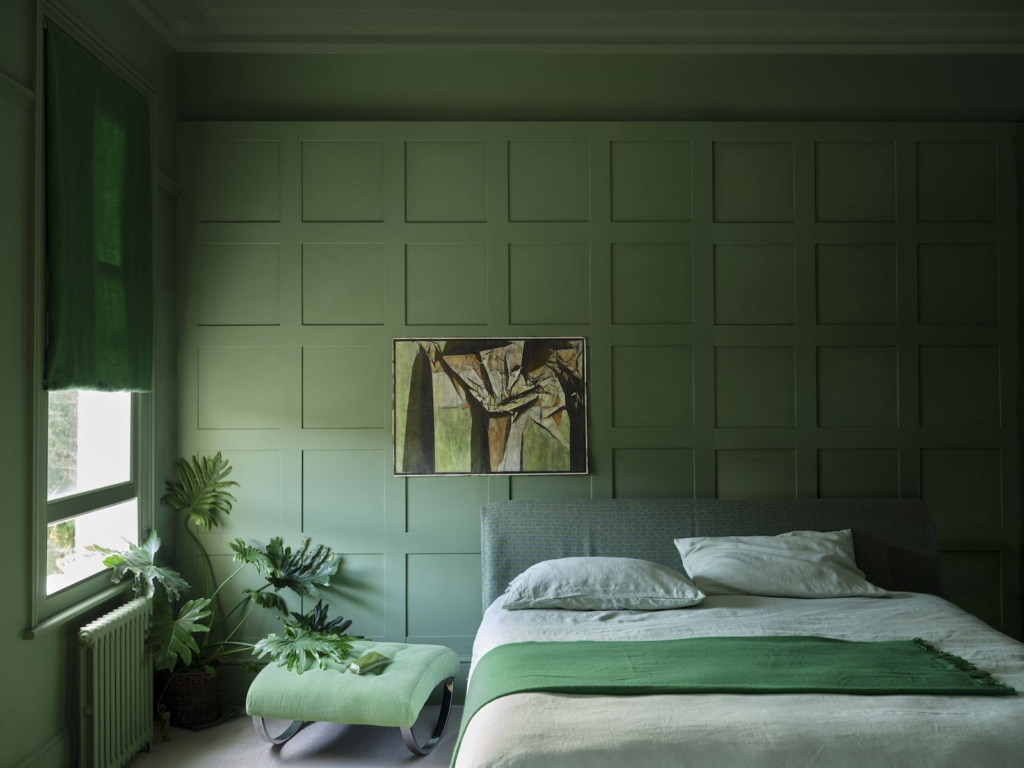
Very bright red is often considered too stimulating for bedrooms because it creates an energetic atmosphere instead of a calming one. Intense yellow can become overwhelming and may reflect too much light, making a room uncomfortable over time.
Cool gray, once a popular choice, can make some interiors feel cold or lifeless, especially in rooms with limited sunlight. Very dark colors such as black or deep brown may make small spaces appear smaller because they absorb more light. Stark white can also feel harsh if paired with cool lighting instead of warmer tones.
These colors are not automatically bad. Their success depends on how they are used within the overall room design.
How Do Lighting and Room Size Affect Colour?
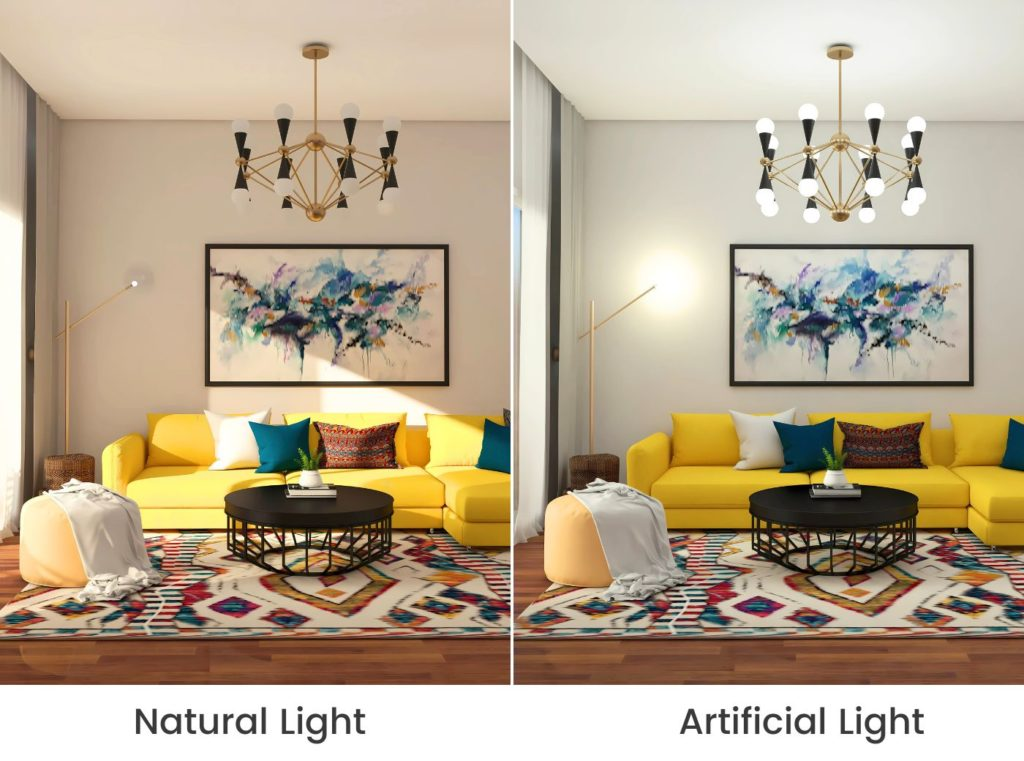
Natural and artificial lighting change the way paint appears throughout the day. North-facing rooms usually receive cooler light, while south-facing rooms often appear warmer. Because of this, the same paint color may look completely different in two separate rooms.
Room size also affects color perception. Dark shades can create a cozy atmosphere in large rooms but may make compact spaces feel cramped. Lighter colors usually reflect more light and help smaller rooms feel brighter and more open. Matching the paint color to both the lighting and room dimensions leads to a more balanced design.
How Can You Improve a Poor Colour Design?
Improving a bad room colour design does not always require repainting the entire space. Sometimes changing lighting, adding contrasting décor, or introducing natural textures can make a significant difference.
Testing large paint samples on different walls allows you to see how colors change throughout the day. Coordinating wall colors with flooring, curtains, furniture, and accessories also creates a more cohesive appearance. Choosing softer, balanced shades instead of highly saturated colors often produces a timeless result that remains attractive for years.
How Do You Choose Colours That Last?
Long-lasting room designs focus on balance rather than trends. Neutral colors with warm or soft undertones remain popular because they work well with changing furniture and décor. Accent colors can then be added through cushions, artwork, rugs, or decorative accessories instead of covering every wall.
Before selecting any paint, consider the room’s purpose. Bedrooms benefit from calming tones, while living rooms often feel welcoming with warm neutrals. Home offices usually work best with colors that encourage focus without becoming distracting. Taking time to test samples in different lighting conditions helps prevent expensive mistakes and creates a space that feels comfortable every day.
Conclusion
A bad room colour design is usually the result of poor color planning rather than choosing one specific paint color. Lighting, room size, furniture, and the purpose of the space all influence how a color looks. Testing paint samples and selecting shades that suit your room will help create a space that feels balanced, welcoming, and comfortable. Read About more Dining Table Set for 6
FAQs
What is a bad room colour design?
It is a color scheme that makes a room feel uncomfortable, too dark, too bright, or visually unbalanced because it does not suit the space.
Which room colours should I avoid?
There are no universally bad colors, but very bright red, intense yellow, cool gray in dark rooms, and very dark shades in small spaces often create design challenges.
Does lighting affect wall colours?
Yes. Natural and artificial lighting can dramatically change how a paint color appears during different times of the day.
How can I fix a bad room colour design?
Test paint samples, improve lighting, coordinate colors with furniture, and choose shades that match the room’s size and purpose.
